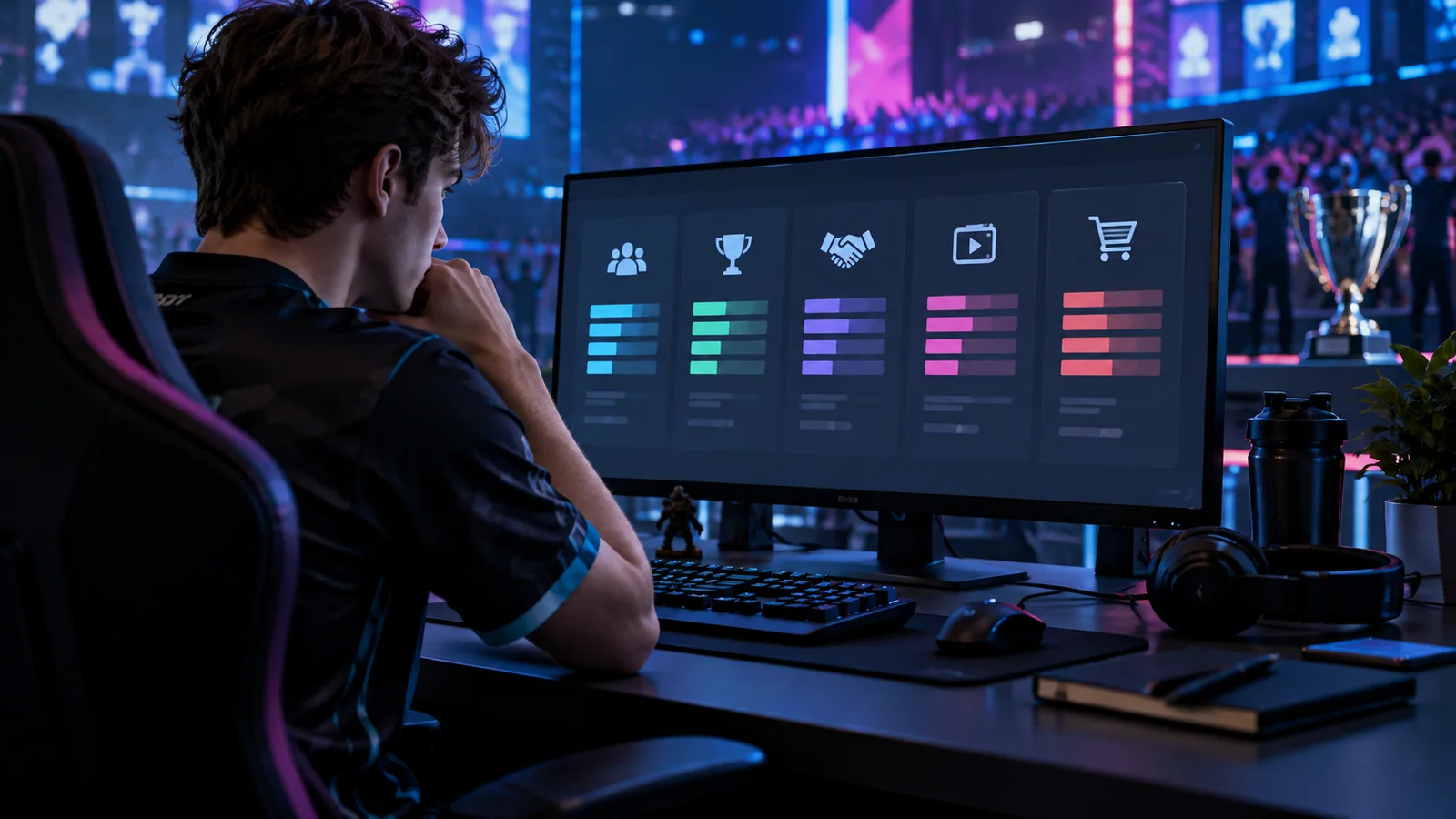
Why Esports Works as Live Entertainment in 2026
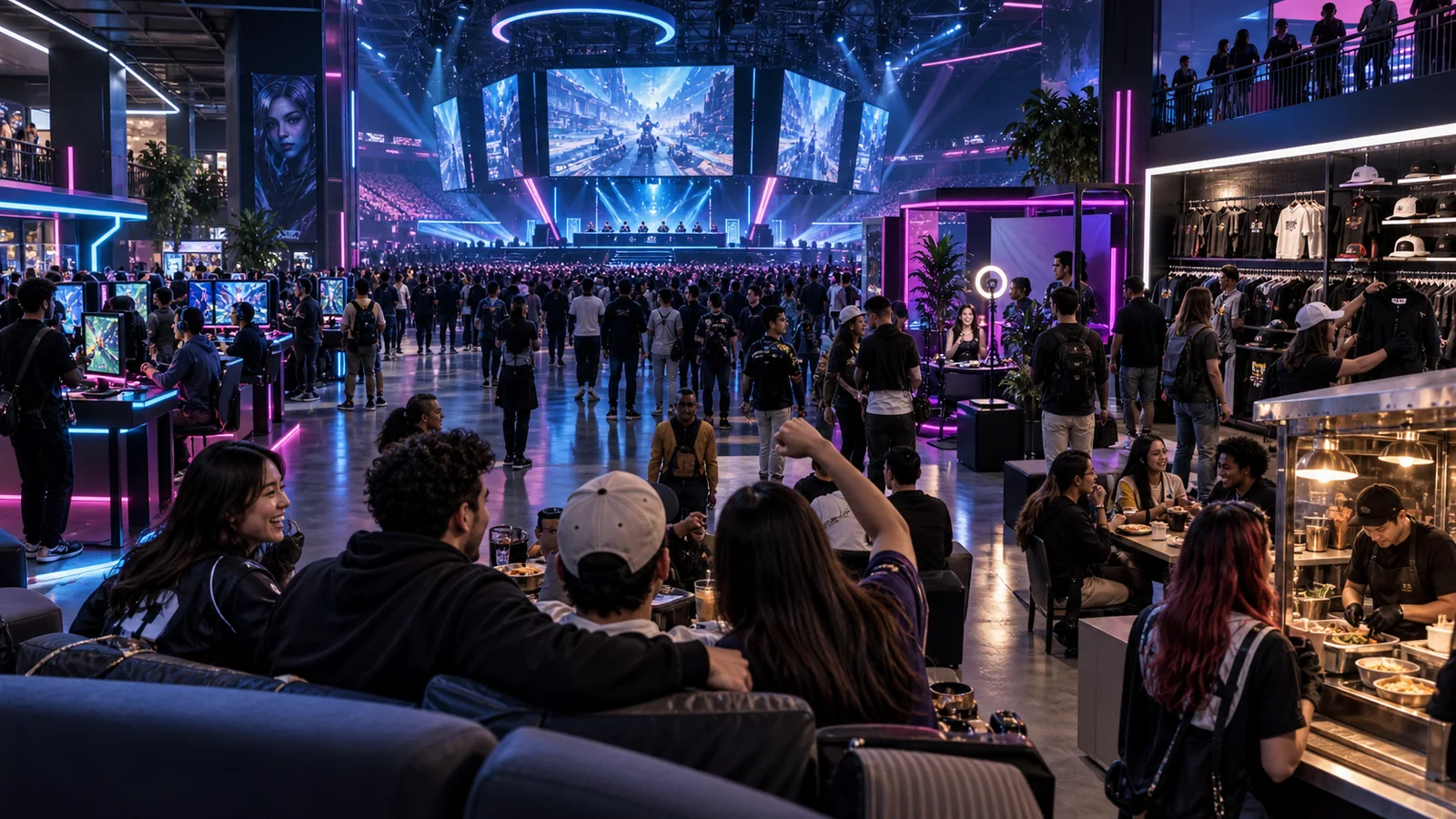
The match still has to matter. But a ticket buyer experiences queues, food, transit, downtime, side stages, merchandise, friends, and the view from a real seat—not just the clean observer feed.
That is why esports works as live entertainment in 2026: organizers are designing the whole day.
The evidence is on the official event pages
The Esports World Cup’s 2026 media guide describes a seven-week Paris program with 25 tournaments across 24 games, plus fan experiences, entertainment, creator engagement, and cultural programming.
Evo’s Las Vegas event page promised 12 tournaments, publisher and developer booths, a vendor hall, a 300-plus-cabinet arcade, cosplay activity, and an arena finals experience.
Riot’s 2026 LCS opening-week announcement included a tailgate, team and partner booths, community celebrations, and on-site activations. Riot is also staging Worlds across Los Angeles, Allen, and Brooklyn rather than treating the championship as one anonymous studio broadcast.
Those are first-party descriptions. Whether each element delighted a particular attendee is opinion.
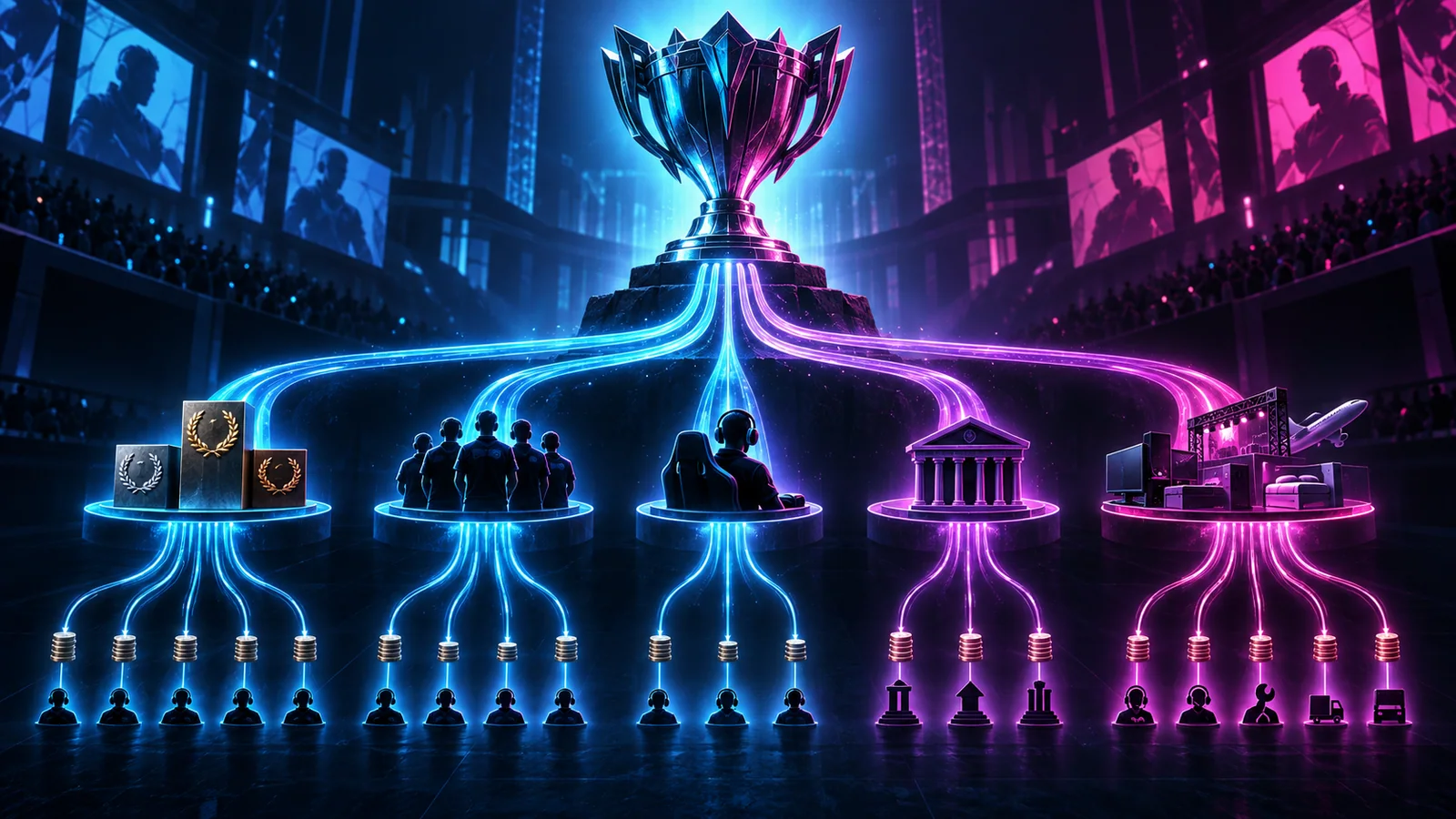
Five layers of a good live esports day
1. Competition
The bracket, stakes, players, and format remain the reason the crowd cares. Production can clarify that drama; it cannot manufacture it indefinitely.
2. Readability
In-venue screens, audio, commentary, score displays, and sightlines must make fast action intelligible from a seat. A stream viewer has a close-up observer feed. A live fan needs the venue to replace that advantage.
3. Participation
Arcades, demos, open brackets, cosplay, meetups, and creator sessions turn waiting time into part of the product. Evo’s cabinet arcade is a particularly clean example: the audience can play inside the same culture it came to watch.
4. Ritual
Walkouts, chants, trophy lifts, team entrances, and opening ceremonies give a crowd shared moments. The strongest rituals frame the competition; the weakest interrupt it.
5. Place
A city and venue affect the trip. Worlds 2026 moves from a Los Angeles play-in to Allen for the Swiss and knockout stages, then to Barclays Center in Brooklyn for the final. That creates different travel products under one championship name.
The hard line: festival is not filler
More activations are not automatically better. A fan fest fails when:
- the main screen or audio is poor;
- queues consume match time;
- side programming competes with the biggest games;
- accessibility and re-entry are unclear;
- “immersive†means sponsor booths with no value;
- ticket communication changes after travel is booked.
The right question is not “How much spectacle can we add?†It is “What makes the competition easier to understand, share, and remember?â€
How to evaluate a ticket
Before buying, check the event organizer and venue for:
- exact dates, doors, match schedule, and time zone;
- assigned seating or general admission;
- accessibility, age, bag, camera, and re-entry rules;
- which fan activities are included in the ticket;
- refund, resale, and schedule-change terms;
- official seller and total fees;
- transport after the final match.
Do not buy travel from an old announcement or a search-result snippet. The official event page should win.
Sources
- Esports World Cup 2026 media guide
- Evo 2026 official event page
- LoL Esports: 2026 LCS Summer and opening-week plan
- LoL Esports: Worlds 2026 dates and venues
Source check: 27 July 2026.
esportslive eventsfan experienceesports world cupculture2026